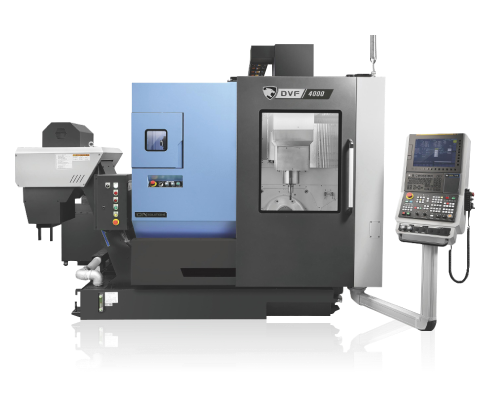
In today’s fast-paced manufacturing environment, machine tools must operate with exceptional precision, efficiency, and reliability. As technology evolves and production demands tighten, businesses increasingly rely on expert technical advice to ensure their equipment performs at its highest level. Technical advisors provide insights that help companies select the right machines, implement optimized processes, reduce downtime, and maintain consistent quality. Far beyond answering questions, machine tool technical advice acts as a strategic resource that supports business growth, competitiveness, and long-term success.
1. Helping Businesses Choose the Right Machine Tools
One of the most significant ways technical advice supports businesses is by guiding them through the machine selection process. With countless models, brands, and configurations available, selecting the right equipment requires in-depth knowledge of spindle power, torque, control systems, automation integration, rigidity, and more. Technical advisors evaluate the parts you produce, materials you machine, tolerance requirements, and production volumes. They help determine whether your operation needs a vertical mill, horizontal mill, 5-axis machining center, CNC lathe, multitasking equipment, or specialized automation. By understanding your application and goals, advisors ensure the machine you invest in is capable of meeting current demands while supporting future growth.
2. Improving Efficiency Through Process Optimization
Even the most advanced machine tools require proper process planning to deliver optimal performance. Technical experts assist businesses by reviewing machining strategies, toolpaths, feed rates, depth of cut, and cutting techniques. They identify inefficiencies and propose methods to increase throughput while maintaining or improving part quality. Advisors might recommend high-speed machining strategies, trochoidal milling, dynamic toolpaths, or improved roughing and finishing approaches. Their optimization efforts reduce cycle times, enhance tool life, and allow businesses to produce more parts with the same equipment. This support directly contributes to increased productivity and stronger profitability.
3. Enhancing Part Quality and Consistency
Producing high-quality parts consistently is essential for maintaining customer satisfaction and meeting industry standards. Technical advisors play a key role in improving part accuracy, surface finish, concentricity, and geometric tolerances. They analyze variables such as tooling performance, machine rigidity, coolant application, and workholding stability. If issues arise, technical experts help diagnose root causes, adjust machining strategies, refine tool selection, or modify probing routines. This ensures that parts remain consistent from batch to batch. When part quality improves, scrap rates decrease, inspection time drops, and overall process reliability increases.
4. Reducing Machine Downtime Through Expert Troubleshooting
Downtime can significantly impact production schedules, revenue, and customer commitments. Technical advisors help businesses minimize disruptions by providing rapid troubleshooting and problem resolution. They assist with diagnosing error codes, sensor failures, spindle alarms, servo faults, vibration issues, and communication errors. When more complex issues arise, technical advisors ensure service teams have the information needed to be prepared with the right tools and parts. Faster problem resolution means shorter downtime, better workflow continuity, and fewer delays in production.
5. Supporting Tooling and Workholding Selection
Proper tooling and workholding are vital to machine performance. Technical experts help manufacturers choose the right cutting tools, inserts, holders, collets, chucking systems, and fixtures to support specific applications. They consider factors such as chip evacuation, heat management, rigidity, and tool engagement. Using the right tools and fixturing directly improves cut quality, reduces chatter, extends tool life, and enhances overall machining efficiency. Technical advice ensures that every element supporting the machine is optimized for maximum performance.
6. Assisting With Control Programming and Software Utilization
Modern CNC machines come equipped with powerful control systems capable of advanced functions, but many businesses don’t fully leverage these features. Technical advisors provide guidance on using machine controls, including logic settings, high-precision modes, probing cycles, macros, tool monitoring, and adaptive feed control. They also help integrate CAM systems, optimize post processors, and refine G-code for smoother transitions and shorter cycle times. By ensuring programmers and operators understand how to use the control to its full potential, businesses unlock features that improve accuracy, simplify workflow, and boost machine productivity.
7. Strengthening Workforce Training and Skill Development
Skilled operators and programmers are essential for maximizing machine tool performance. Technical advisors contribute by offering operator training, maintenance instruction, programming guidance, and safety education. Training may cover setup procedures, tool changes, probing methods, spindle warm-up cycles, control functions, and best practices for specific machining applications. When employees understand their machines more thoroughly, they make fewer mistakes, identify potential issues sooner, and operate equipment more confidently. This boosts overall shop efficiency and ensures machines are used safely and correctly.
8. Supporting Automation Integration
As manufacturers face labor shortages and rising production demands, automation is becoming increasingly common. Technical advisors help businesses assess whether automation is appropriate and guide them through integration. They assist with selecting robotic loading systems, pallet changers, bar feeders, conveyors, automated inspection tools, and machine monitoring software. Advisors also help program automated workflows, ensure communication between devices, and optimize part flow to maintain consistent productivity. Automation supported by expert technical advice reduces labor dependency, increases uptime, and creates more predictable manufacturing schedules.
9. Improving Maintenance Practices and Machine Longevity
Preventive maintenance is essential for protecting machine investments and avoiding unexpected breakdowns. Technical advisors help businesses develop effective maintenance schedules that include lubrication, cleaning, spindle checks, calibration routines, coolant management, and wear component replacements. They also provide insights into machine diagnostics, early failure indicators, and best practices for maintaining key components. With better maintenance supported by expert guidance, machines last longer, perform more reliably, and maintain higher accuracy over time. This preserves capital investment and lowers the total cost of ownership.
10. Maximizing Return on Investment
Ultimately, the purpose of technical advice is to help businesses get the most out of their machine tools. Through proper machine selection, process optimization, improved training, reduced downtime, and smarter automation, technical advisors help companies produce more efficiently and reliably. This results in higher productivity, lower operational costs, increased revenue potential, and faster return on investment. Businesses that engage with knowledgeable technical advisors consistently outperform those that rely solely on trial and error or minimal support. Technical guidance transforms machine tools from simple equipment into powerful assets that drive growth.
Conclusion
Machine tools technical advice plays a critical role in helping businesses succeed in an increasingly competitive manufacturing landscape. From guiding machine selection and optimizing processes to reducing downtime and improving part quality, technical advisors support every stage of production. Their expertise helps companies enhance productivity, protect their investments, and achieve stronger long-term performance. By leveraging the insights and support of technical experts, manufacturers ensure their machine tools operate at peak capability and continue to deliver value for years to come.